
In the modern digital ecosystem, where cyber threats are growing in both volume and sophistication, choosing the right antivirus software is no longer a luxury—it is a necessity. However, one of the biggest concerns users face is balancing strong cybersecurity protection with system performance. Many traditional antivirus solutions consume heavy system resources, slowing down devices and affecting productivity. This is where Webroot Antivirus stands out as a game-changing solution in 2026.
Webroot has built its reputation as one of the most lightweight, fastest, and cloud-driven antivirus software solutions, making it an ideal choice for individuals, professionals, and businesses who need robust protection without compromising performance.
What is Webroot Antivirus?
Webroot Antivirus is a cloud-based cybersecurity solution designed to protect devices from malware, ransomware, phishing attacks, and other online threats. Unlike traditional antivirus programs that rely heavily on local storage and signature databases, Webroot uses real-time cloud intelligence to identify and eliminate threats.
This unique approach allows Webroot to operate efficiently without putting a heavy load on your system, making it one of the fastest antivirus solutions available today.
Cloud-Based Architecture: The Core Advantage
One of the defining features of Webroot Antivirus is its cloud-first architecture, which sets it apart from conventional antivirus software.
Instead of storing massive virus definitions locally, Webroot processes threat data in the cloud. This enables:
- Instant threat detection and updates
- Reduced disk space usage
- Faster scan times
- Minimal impact on CPU and RAM
Because of this architecture, Webroot can detect even the latest threats without requiring constant manual updates.
Lightning-Fast Performance and Efficiency
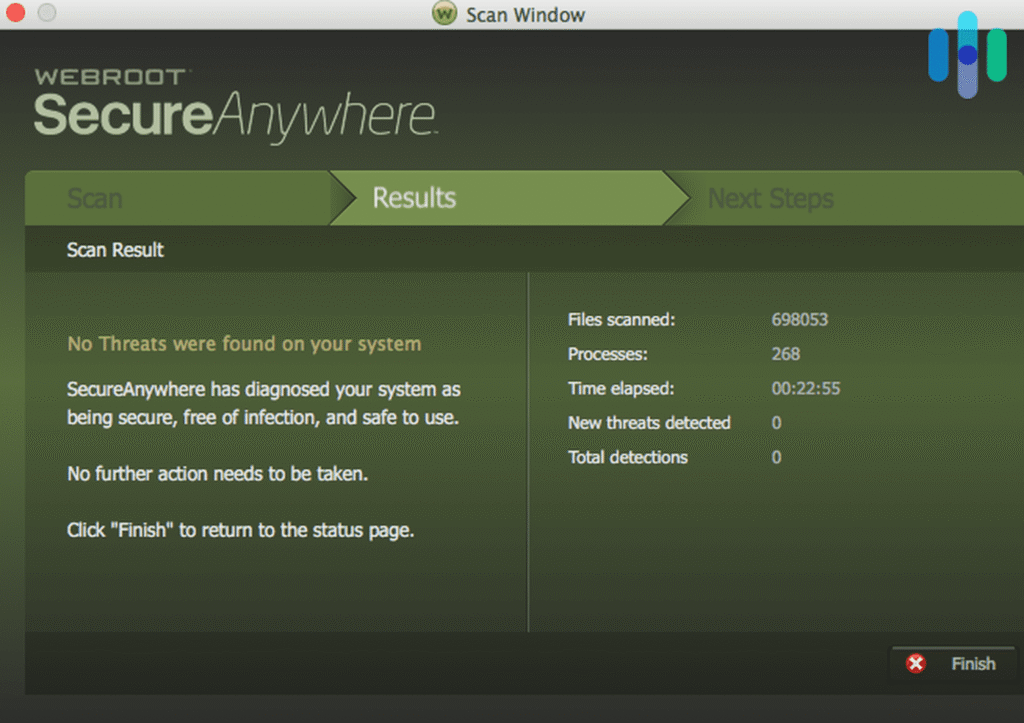
Performance is where Webroot truly excels. Traditional antivirus scans can take hours, especially on systems with large amounts of data. In contrast, Webroot can complete a full system scan in just a few minutes.
This makes it particularly beneficial for:
- Professionals who rely on high-performance systems
- Gamers who cannot afford lag during gameplay
- Businesses running multiple applications simultaneously
- Users with older or low-spec devices
Webroot’s lightweight nature ensures that it runs seamlessly in the background without interrupting your workflow.
Advanced Threat Protection Capabilities
Despite being lightweight, Webroot does not compromise on security. It uses advanced behavioral analysis and machine learning algorithms to detect both known and unknown threats.
Its protection capabilities include:
- Real-time malware detection and removal
- Ransomware protection with rollback features
- Phishing and identity theft protection
- Spyware and keylogger detection
- Secure browsing and web filtering
Unlike traditional antivirus software, Webroot can identify suspicious behavior even if a threat has never been seen before.
Real-Time Protection Against Emerging Threats
Cyber threats are evolving rapidly, and traditional antivirus solutions often struggle to keep up. Webroot’s cloud-based intelligence ensures that users are protected against zero-day attacks and newly emerging malware.
This real-time protection works by continuously analyzing global threat data and updating its system instantly. As a result, users benefit from always-updated security without manual intervention.
Ease of Installation and User Experience
Another major advantage of Webroot Antivirus is its simplicity. The installation process is quick and straightforward, taking only a few minutes.
The interface is designed to be:
- Clean and intuitive
- Easy to navigate
- Suitable for non-technical users
- Efficient for quick security checks
Users can easily run scans, monitor threats, and manage settings without requiring advanced technical knowledge.
Why Webroot is Ideal for Modern Users
In 2026, users demand speed, efficiency, and reliability. Webroot delivers on all three fronts, making it an excellent choice for a wide range of users.
It is particularly well-suited for:
- Remote workers handling sensitive data
- Small businesses needing cost-effective cybersecurity
- Students using shared or personal devices
- Freelancers who require uninterrupted performance
- Users with older systems needing lightweight protection
Key Benefits of Webroot Antivirus
- Extremely lightweight with minimal system impact
- Cloud-based real-time threat detection
- Fast scanning and quick installation
- Strong protection against malware and ransomware
- Easy-to-use interface for all user levels
Potential Limitations to Consider
While Webroot offers numerous advantages, it is important to consider a few limitations:
- Requires an active internet connection for optimal performance
- Fewer extra features compared to some all-in-one security suites
- Advanced customization options may be limited
However, these limitations are often outweighed by its speed and efficiency.
Webroot vs Traditional Antivirus Software
When compared to traditional antivirus solutions, Webroot stands out in several key areas:
- Speed: Significantly faster scans
- Resource Usage: Minimal CPU and RAM consumption
- Updates: Real-time cloud updates instead of manual downloads
- Performance: No system slowdowns
This makes Webroot a strong contender for users prioritizing performance and efficiency.
Final Verdict: Is Webroot Worth It in 2026?
Webroot Antivirus is an excellent choice for users who want fast, efficient, and reliable cybersecurity protection without sacrificing system performance. Its cloud-based architecture, real-time threat detection, and lightweight design make it one of the best antivirus solutions available today.
Conclusion
As cyber threats continue to evolve, choosing the right antivirus software becomes increasingly important. Webroot Antivirus offers a perfect balance of speed, security, and simplicity, making it an ideal solution for modern users.
If you’re looking for an antivirus that won’t slow down your system while still providing top-tier protection, Webroot is undoubtedly worth considering in 2026.